
CF Card Reader USB 2.0 SD TF Three-in-One Aluminium Alloy Compact Design 9.2cm Portable Memory Card Adapter for Computer Mobile Phone Data Transfer


CF Card Reader USB 2.0 SD TF Three-in-One Aluminium Alloy Compact Design 9.2cm Portable Memory Card Adapter for Computer Mobile Phone Data Transfer
CF SD TF Three-in-One Card Reader with USB 2.0 Connectivity and Aluminium Alloy Construction

This multi-format card reader consolidates three common memory card types into a single, portable device measuring 9.2cm by 2.6cm by 1.1cm. Designed for straightforward data transfer between devices, it utilises USB 2.0 technology to provide compatibility with both computers and mobile phones through its dual USB and Type-C interface options. The aluminium alloy construction offers practical durability while maintaining a lightweight form factor suitable for travel, office use, or home computing setups where accessing data from multiple card formats is necessary.
Features and Construction
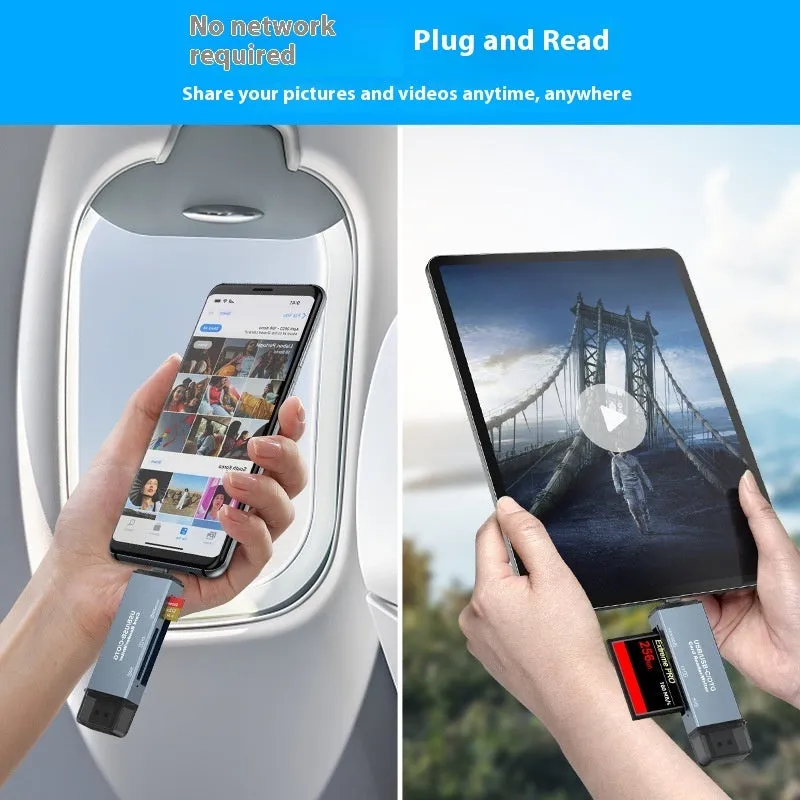
The three-in-one card reader is engineered to handle CF, SD, and TF memory cards without requiring separate adapters. This consolidation of functionality into a single unit reduces clutter and simplifies the process of transferring files between different camera systems, mobile devices, and computers.
Material and Build
Constructed from aluminium alloy, the reader benefits from this material's inherent strength-to-weight ratio and thermal conductivity. The metal casing provides structural protection for the internal components while assisting with heat dissipation during extended data transfer sessions. This material choice contributes to the device's physical durability without adding unnecessary bulk to its compact dimensions.
Size and Practical Fit
With precise measurements of 9.2cm in length, 2.6cm in width, and 1.1cm in thickness, the reader maintains a footprint smaller than most smartphones. This compact sizing allows for convenient storage in laptop bags, camera cases, or desk drawers when not in use. The slim profile ensures it won't obstruct adjacent USB ports when connected to computers or hubs.
Uses and Placement

The card reader's multiple format support makes it suitable for various scenarios where different memory card types need to be accessed. Its compatibility with both standard USB and Type-C interfaces expands its usefulness across different generations of computing devices.
Event or Professional Use
For photographers, videographers, or event professionals working with multiple camera systems, this reader provides immediate access to CF cards from DSLRs, SD cards from mirrorless cameras, and TF (microSD) cards from action cameras or drones. The USB 2.0 transfer speed is sufficient for copying photos and video files between sessions or creating backup copies of captured media during events.
Everyday Home Use
In home computing environments, the reader serves as a convenient tool for transferring files from older devices using CF cards, digital cameras using SD cards, and mobile devices using TF cards. The dual interface options mean it can connect to both traditional laptops with USB-A ports and newer tablets or smartphones with Type-C connections, making it suitable for family use across different generations of technology.
Benefits and Buying Value
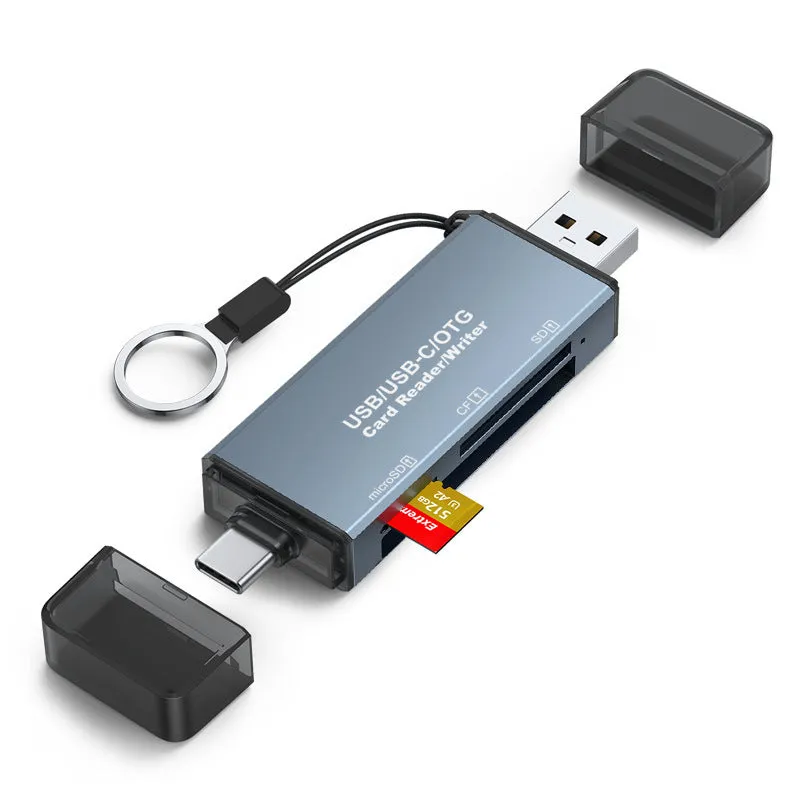
This card reader offers practical advantages through its multi-format support and durable construction. The consolidation of three commonly needed adapters into one device provides organisational benefits and reduces the likelihood of misplaced individual card readers.
Reuse and Low Maintenance
The aluminium alloy construction contributes to the reader's potential for extended use, as metal casing generally withstands physical wear better than plastic alternatives. With no moving parts beyond the card insertion mechanisms and no required software installation for basic functionality, maintenance consists primarily of keeping the card slots free of dust and debris when not in use.
Why Choose This Product
This card reader addresses the specific need for accessing three distinct memory card formats through a single, compact device. Its measured dimensions and material construction provide tangible differences from generic plastic card readers, while the inclusion of both USB and Type-C interfaces ensures compatibility with a wider range of current and previous-generation devices than single-interface alternatives.

