
Dental articulator, adjustable dental lab articulator with a Korean-style three-point adjustable incisal pin and lateral incisal pin for realistic jaw simulation and dental prosthetic work in dentistry.


Dental articulator, adjustable dental lab articulator with a Korean-style three-point adjustable incisal pin and lateral incisal pin for realistic jaw simulation and dental prosthetic work in dentistry.
Korean-Style Adjustable Dental Articulator for Realistic Jaw Simulation

In dental laboratories, achieving an accurate representation of a patient's jaw dynamics is fundamental to creating well-fitting restorations. This dental articulator, designed in a Korean style, serves as a core mechanical tool for this purpose. It provides a stable anatomical platform upon which dental models are mounted, allowing technicians to simulate natural mandibular movements. This process is critical for the fabrication of various prosthetics, including crowns, bridges, and full or partial dentures, ensuring they align correctly with the patient's unique bite pattern.
Features and Construction
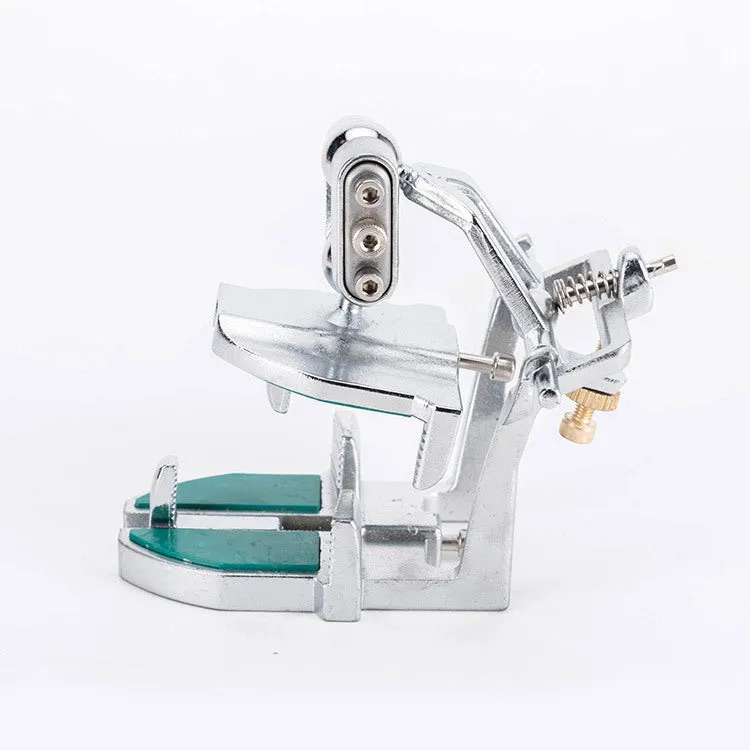
This articulator's design focuses on providing adjustable control points to replicate specific patient measurements and bite registrations taken during clinical appointments.
Material and Build
The articulator is constructed from metal and plastic components, materials standard for this category of dental laboratory equipment. This combination offers the necessary structural rigidity to hold dental casts securely while allowing for the smooth operation of adjustable parts. The build quality supports repeated adjustments and use in a professional lab environment without inventing unspecific claims about longevity or premium finish.
Adjustable Control Mechanism
A key feature is its three-point adjustable incisal pin. This central component can be finely tuned to establish the vertical dimension and anterior guidance of the simulated bite, which is a core step in articulator set-up. Complementing this is an independently adjustable lateral incisal pin, providing further control over lateral excursive movements. These adjustments allow the technician to incorporate a patient's specific occlusal data, moving beyond a generic average-value setting.
Uses and Placement

This tool is intended for use within a dental laboratory or educational setting, acting as an intermediary between the dentist's patient records and the final prosthetic device.
Professional Laboratory Use
The primary application is in restorative and prosthetic dentistry workflows. After receiving impressions and bite records from a dental surgery, a technician will pour stone models and mount them onto this articulator. By adjusting the incisal pins to match the provided records, the technician can then assess occlusal contacts, plan restoration morphology, and perform the waxing and subsequent processing of the final prosthesis with a dynamic, accurate reference.
Educational and Training Contexts
Beyond commercial labs, this type of adjustable articulator is also suitable for dental technology schools and training programmes. It allows students to practise the fundamental skills of model mounting, facebow transfer simulation (where applicable), and articulation set-up. Working with an adjustable device provides a more realistic learning experience than fixed, non-adjustable models, teaching the principles of individualised prosthetic fabrication.
Benefits and Buying Value
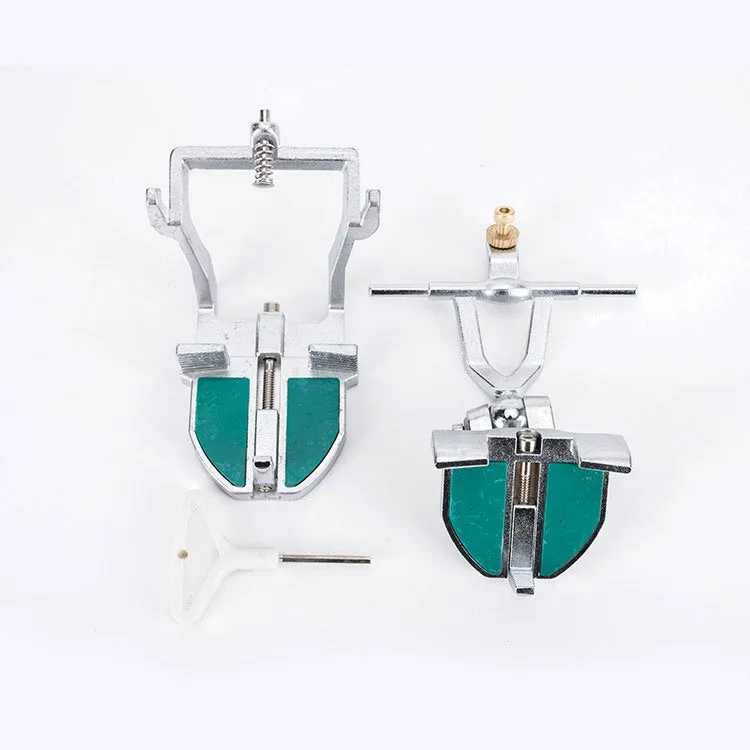
The value of this product lies in its specific function as a configurable tool for a specialised technical process, rather than in generic aesthetic or lifestyle benefits.
Precision in Prosthetic Fabrication
The ability to adjust key parameters directly translates to a higher potential for clinical accuracy in the final dental restoration. A precisely set articulator helps minimise occlusal interferences, reducing the need for extensive chairside adjustments when the dentist fits the prosthesis. This supports efficient workflow and aims to enhance patient comfort with better-fitting dental appliances.
Why Choose This Articulator
This product offers a practical, Korean-style articulated design with specific adjustable features—the three-point incisal pin and lateral incisal pin—that are clearly stated in the source material. It provides the core functionality required for mounting and articulating dental models without superfluous or unsupported claims. For labs seeking a functional articulator to support everyday prosthetic work, it presents a straightforward tool focused on its primary technical task.
