
FPV drone receiver, GEPRC GAP F7 Dual-frequency ELRS 915M/2.4G receiver for RC drones, with T-shaped antennas, heat shrink tubing, and silicone connecting wire for RC model aircraft.


FPV drone receiver, GEPRC GAP F7 Dual-frequency ELRS 915M/2.4G receiver for RC drones, with T-shaped antennas, heat shrink tubing, and silicone connecting wire for RC model aircraft.
GEPRC GAP F7 Dual-frequency ELRS Receiver for Robust FPV and RC Drone Control
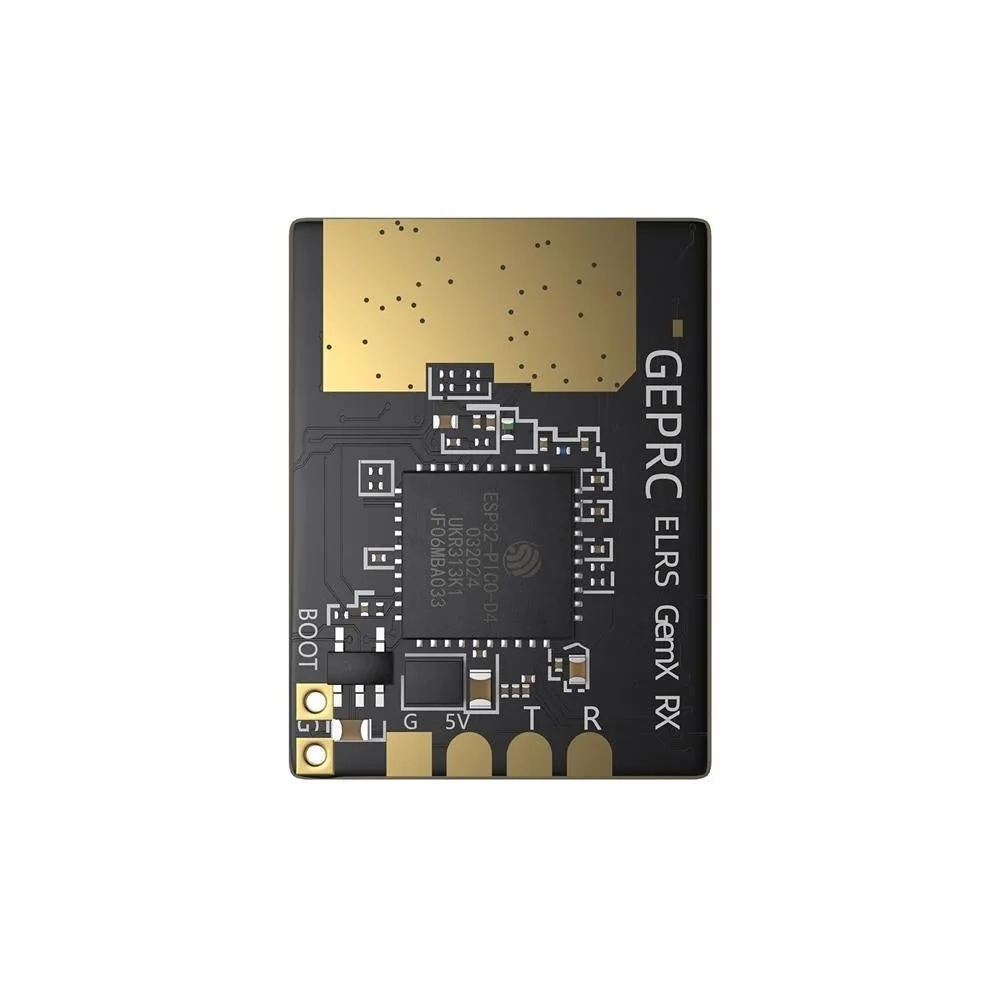
The GEPRC GAP F7 Dual-frequency receiver is a core component for pilots building or upgrading their FPV (First Person View) and RC (Radio Controlled) drones. It operates on the ExpressLRS (ELRS) protocol, supporting both the 915MHz and 2.4GHz frequency bands. This dual-band capability offers flexibility, allowing pilots to choose the band that best suits their local regulations and provides the most robust connection for their flying style, whether for long-range exploration or fast-paced racing. The receiver comes as a complete installation kit, including the necessary antennas and wiring, designed for integration into a wide variety of drone frames thanks to its compact form factor.
Features and Construction

This receiver is defined by its practical features that cater directly to the needs of the RC modelling community. Its construction and included accessories are chosen to provide a straightforward upgrade path for pilots seeking reliable control and telemetry feedback.
Material and Build
The receiver unit itself features a metal housing. This material choice contributes to the product's physical robustness, offering better protection for the internal electronics against minor impacts and vibrations commonly experienced in drone flight and crashes. The build quality focuses on functional resilience rather than aesthetic embellishment, aligning with the practical demands of the hobby.
Size and Practical Fit
With an overall size noted as being under 30cm, the receiver and its attached components are designed to be compact. This manageable footprint is crucial for drone building, where space and weight are at a premium. It allows the unit to be mounted securely within most standard and micro drone frames without requiring extensive modification, helping maintain a clean and organised build.
Uses and Placement
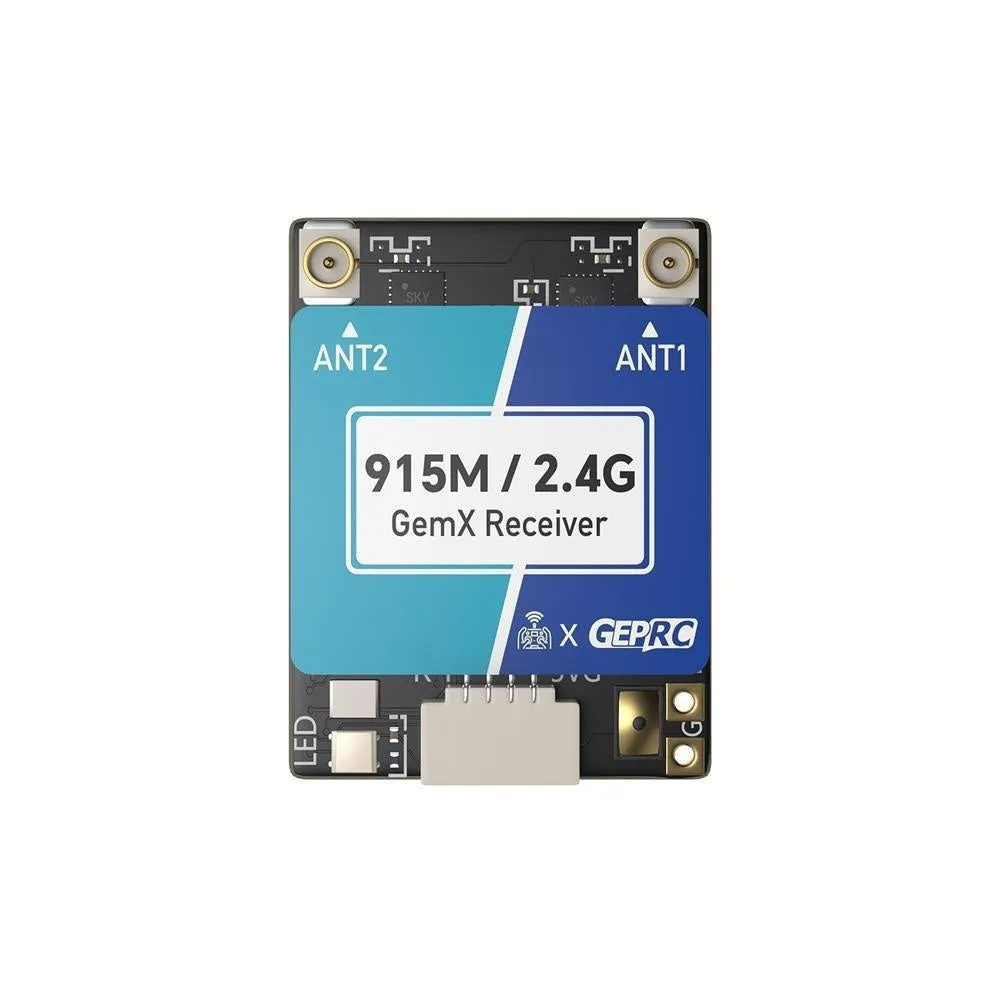
The primary application for this receiver is within the radio control aircraft hobby, specifically for drones. Its dual-band ELRS support makes it versatile, suitable for different flying disciplines and environments where a stable control link is paramount.
Event or Professional Use
For pilots involved in organised events like FPV racing or freestyle competitions, a reliable control link is non-negotiable. The dual-frequency support can help mitigate signal interference in crowded RF environments. The included T-shaped antennas are designed for diverse polarisation, which can aid in maintaining a strong signal even as the drone changes orientation rapidly during complex manoeuvres.
Everyday Home Use
For hobbyists flying in local parks or designated areas, this receiver provides the telemetry and control range needed for enjoyable flights. The complete kit nature means a pilot with basic soldering skills can install it without needing to source additional cables or antennas separately, simplifying the upgrade process for an existing quadcopter or fixed-wing model.
Benefits and Buying Value
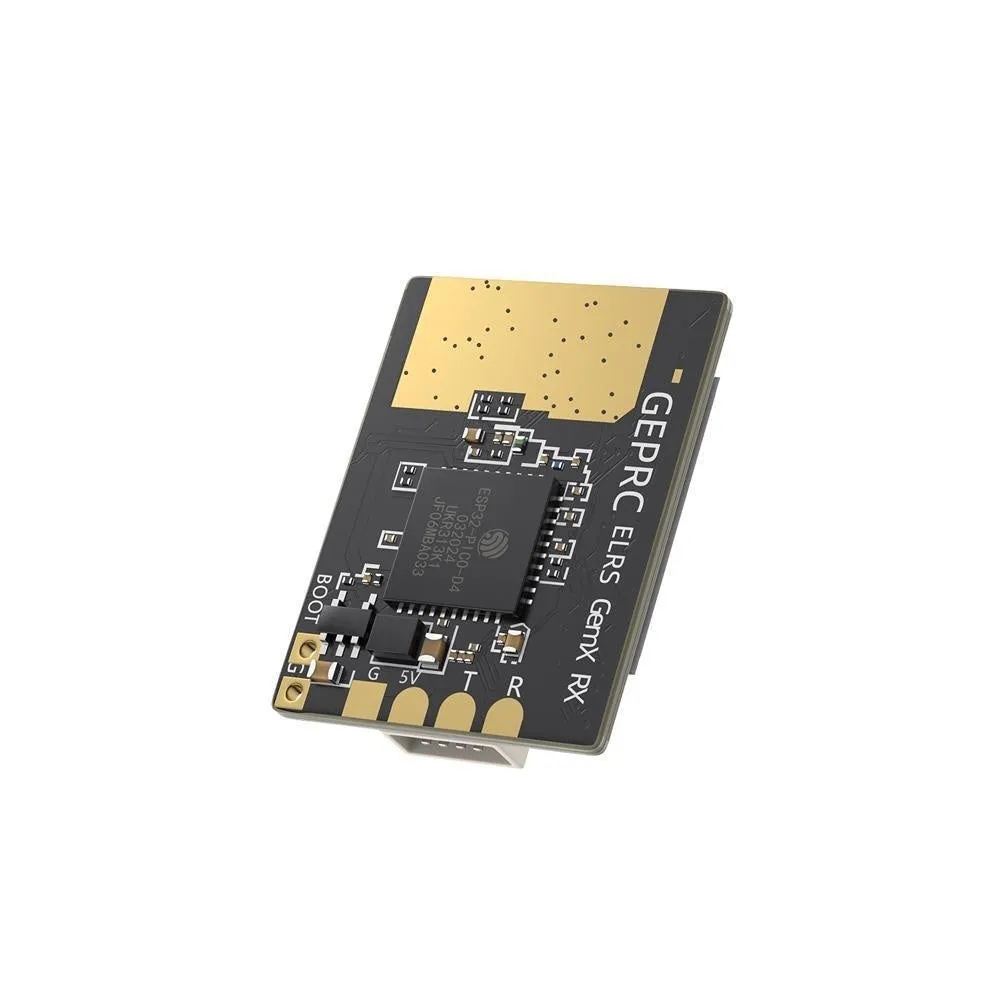
The value of this receiver lies in its completeness and the practical advantages its specifications deliver for the RC pilot. It addresses the core need for a dependable control system without superfluous features.
Reuse and Low Maintenance
The durable metal construction suggests a product built to withstand the rigours of the hobby, potentially offering good longevity across multiple models or rebuilds. The provision of heat shrink tubing and a quality silicone connecting wire in the package supports a secure, professional-grade installation that is less likely to fail due to vibration or wear, reducing the need for future maintenance.
Why Choose This Product
Choosing this GEPRC receiver comes down to its focused specification: dual-band ELRS support in a complete, install-ready package. It eliminates guesswork about antenna compatibility and provides the essential components for integration. For pilots looking to adopt or continue using the ELRS protocol, this unit presents a straightforward, no-fuss solution that prioritises the functional requirements of reliable drone control above all else.
