
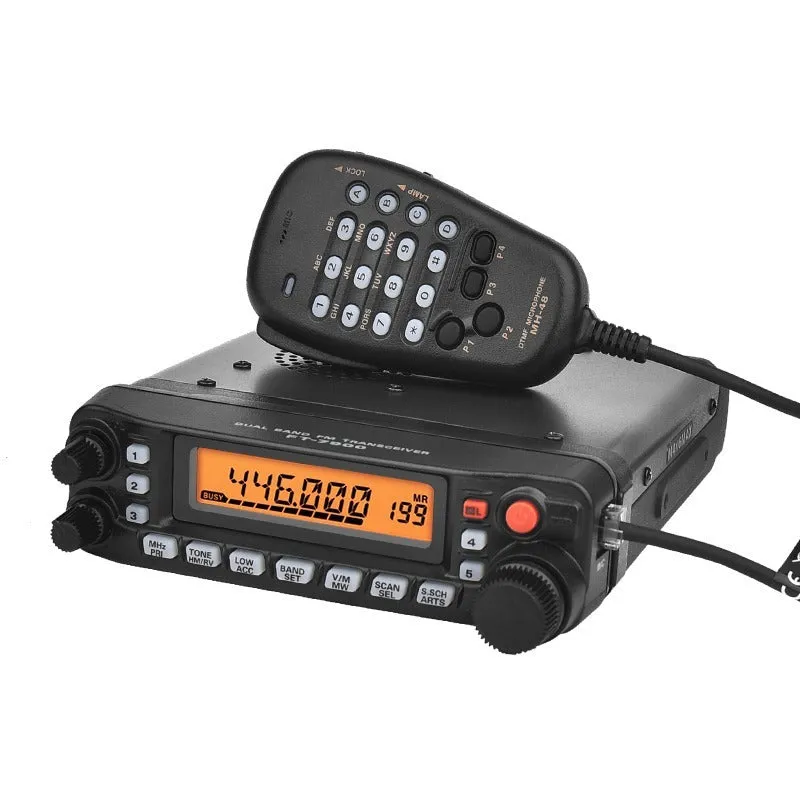
Car interphone for self-driving tours, high-power radio with anti-interference function, complete machine supplied in standard configuration or with 507 antenna options including 1.5 metre Teflon cable and 3 metre feeder cable variants.


Car interphone for self-driving tours, high-power radio with anti-interference function, complete machine supplied in standard configuration or with 507 antenna options including 1.5 metre Teflon cable and 3 metre feeder cable variants.
High-Power Car Interphone for Self-Driving Tours with Anti-Interference and Configurable Antenna Options

Coordinating a multi-vehicle journey requires reliable communication, especially in areas where mobile phone signals fade. This high-power car interphone is engineered for such scenarios, providing a dedicated radio link between drivers. It is supplied as a complete machine, eliminating the need to source separate components. A key technical feature is its anti-interference function, which works to filter out signal noise that can disrupt clarity, aiding communication during self-driving tours, off-road adventures, or commercial fleet movements. The core unit can be paired with different antenna packages to suit varying installation preferences and range requirements.
Features and Construction

This interphone is built around a high-power radio circuit designed for extended range compared to typical consumer handheld units. Its construction focuses on delivering a stable signal for motoring applications.
Material and Build
The internal electronics are housed within a standard casing. For certain configurations, the connection is made via a specialised 1.5 metre cable using Teflon insulation, a material known for its durability and stable electrical properties. Alternative packages use a standard 3 metre feeder cable. The antenna mount employs either a universal clamp, designed to fit a range of surfaces, or a dedicated clamp for a more fixed installation.
Size and Practical Fit
The primary measurable specifications relate to the cabling options. The Teflon-insulated cable variant measures 1.5 metres in length, while the feeder cable option provides 3 metres of reach. These lengths offer flexibility in mounting the 507 antenna at an optimal location on a vehicle, such as on a roof rack or bull bar, away from potential sources of electrical interference within the car's cabin.
Uses and Placement

The interphone's design addresses specific communication challenges faced by groups of drivers travelling together.
Event or Professional Use
For organised self-driving tours, rally events, or off-road club outings, this unit allows lead and sweep vehicles to maintain contact, relay route changes, or report hazards in real-time without relying on cellular networks. The anti-interference function is particularly useful in terrain with many natural or man-made signal obstacles. Professional drivers in convoy or security details may also find the reliable, private channel beneficial.
Everyday Home Use
While suited for adventures, it also serves practical purposes for families or groups travelling in multiple cars to a common destination, such as a holiday home or campsite. It simplifies coordination for rest stops or fuel breaks and can be a safer alternative to drivers attempting to use mobile phones while on the move.
Benefits and Buying Value
The value of this product lies in its dedicated functionality, completeness, and configurable setup.
Reuse and Low Maintenance
As a complete electronic device with no stated consumable parts beyond potential battery considerations (not specified), the interphone is designed for repeated use across many journeys. The robust antenna options, particularly the Teflon-clad cable, suggest a build intended for the vibrations and environmental exposure encountered in vehicular use, implying a focus on longevity.
Why Choose This Product
This car interphone is chosen for its specific application focus. It is not a general-purpose handheld radio but a unit configured for vehicular communication with power and features aimed at overcoming the limitations of consumer devices in a motoring context. The option to select an antenna package with either a 1.5m or 3m cable allows users to match the product to their specific vehicle layout and communication range needs.

