
Electric heating shoulder pad USB-powered 5V 10W portable heating pad for shoulder pain relief, adjustable elastic strap fits most adults, plug-in design for use with power banks or USB adapters.


Electric heating shoulder pad USB-powered 5V 10W portable heating pad for shoulder pain relief, adjustable elastic strap fits most adults, plug-in design for use with power banks or USB adapters.
USB Electric Heating Shoulder Pad: Portable Heat for Shoulder Comfort

This electric heating shoulder pad offers a convenient solution for delivering targeted warmth to alleviate shoulder stiffness and muscle tension. Its key differentiator is its USB-powered design, which allows it to operate from a standard 5-volt source, making it highly portable and compatible with common devices like power banks, laptop USB ports, or phone chargers. With a 10W power rating, it provides consistent heat without requiring a mains electricity outlet, ideal for use at a desk, during travel, or while relaxing in any room of the home. The product is supplied as a single unit, ready to use with your own USB power source.
Features and Construction
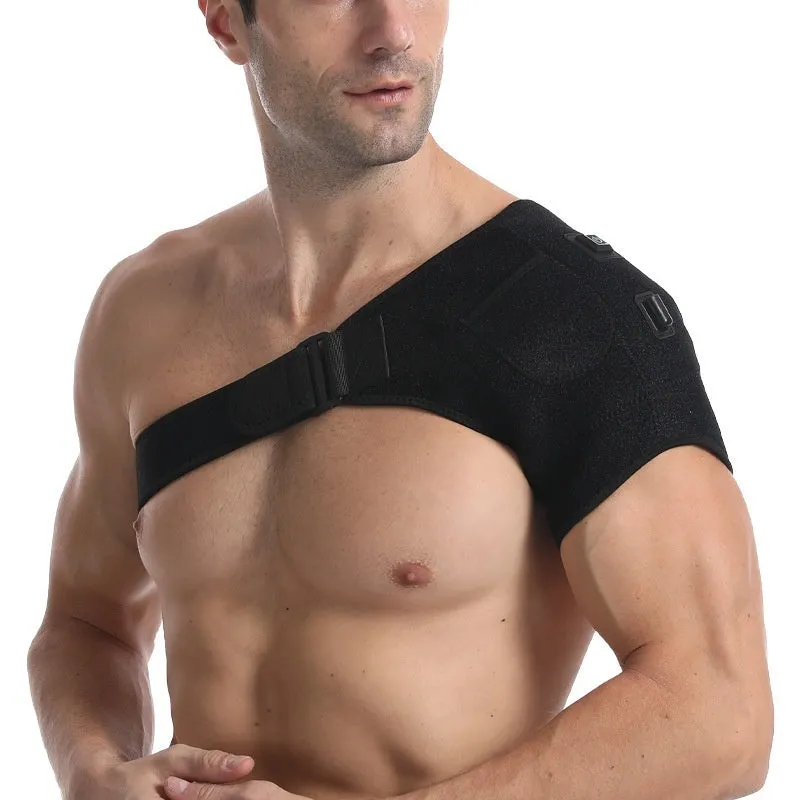
The shoulder pad is built around a simple, practical function: providing adjustable heat to the shoulder area via an integrated heating element. Its construction prioritises ease of use and portability over complex features.
Material and Build
The pad incorporates a heating element powered through a connected cable with a standard USB plug. An elastic strap is attached to secure the pad in place on the shoulder. Specific details regarding the outer fabric material, internal wiring, or safety certifications are not provided in the source information. The build is focused on the core heating function and a secure, adjustable fit.
Size and Practical Fit
Described as a 'free size' product, it is intended to fit most adults. The adjustable elastic strap is the primary mechanism for achieving a secure and comfortable fit, allowing users to tailor the tension. This one-size approach simplifies the choice for the user but may not accommodate all body types with equal comfort. No precise measurements for the pad's dimensions or strap length are given.
Uses and Placement
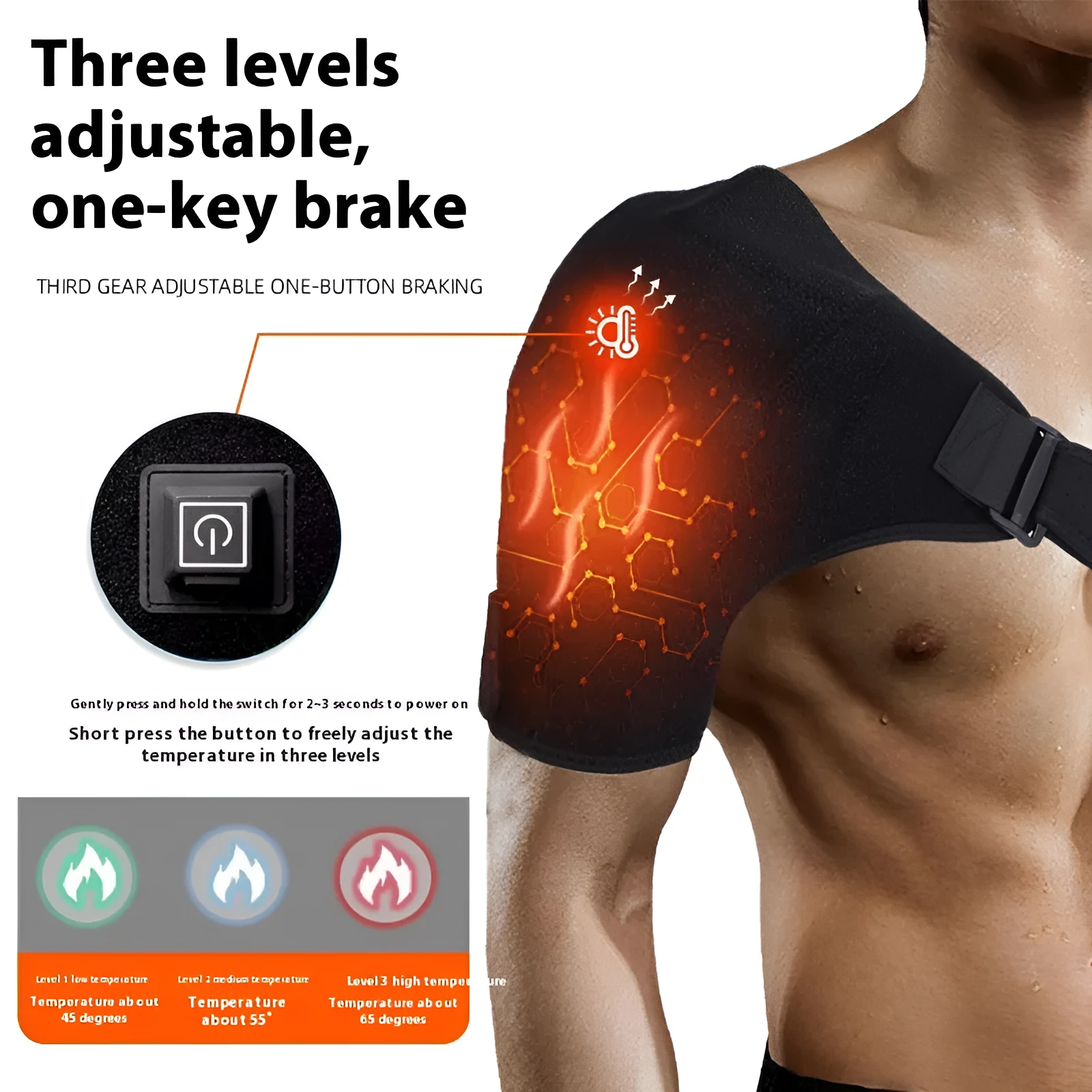
The primary application is providing therapeutic heat to the shoulder region. Its USB power requirement dictates where and how it can be used, offering both constraints and flexibility compared to mains-powered alternatives.
Event or Professional Use
For individuals with shoulder discomfort in office settings, this pad can be discreetly used at a desk by plugging into a computer's USB port or a small power bank. Its low voltage operation makes it suitable for environments where safety is a concern. Therapists or fitness trainers might find it a portable option for client use between sessions, though its basic design lacks professional-grade features like precise temperature control.
Everyday Home Use
At home, it integrates easily into relaxation routines. You can use it while reading, watching television, or working at a home computer, powered by a nearby wall adapter or power bank. Its simplicity means there are no complex settings to adjust—it provides heat when powered. It is not designed for use during sleep or while moving around the house, as it remains tethered to its power source by cable.
Benefits and Buying Value
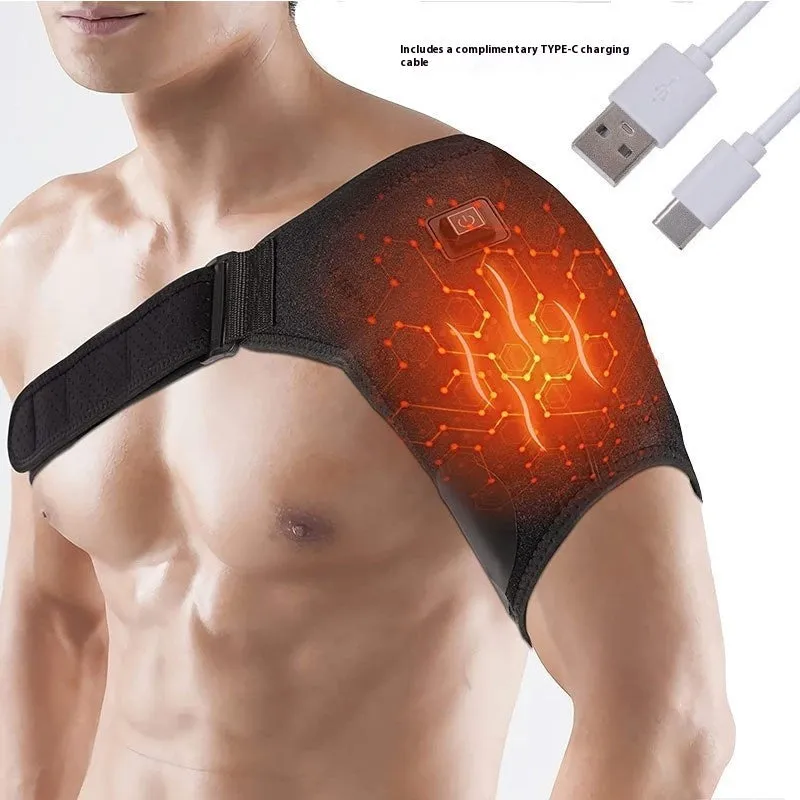
The value of this heating pad lies in its specific approach to delivering heat: through ubiquitous USB power. This creates a distinct profile compared to traditional heating pads.
Reuse and Low Maintenance
As a single-unit electronic device, it is designed for repeated use. Maintenance is minimal, likely involving only careful storage to avoid damaging the cable or strap. No washable covers or replaceable parts are indicated. Its longevity will depend on the quality of its electrical components, a detail not specified in the source material.
Why Choose This Product
Choose this shoulder pad if your primary need is a portable, USB-compatible heat source for the shoulders. Its advantage is clear compatibility with devices you likely already own, eliminating the need for a dedicated mains socket. It is a straightforward tool for a specific job—applying heat. It may not suit those seeking moist heat, multiple heat settings, a larger coverage area, or automated timers, as these features are not mentioned as part of its design.
