
Imported alloy micro-engraving bit made from tungsten carbide tungsten steel for circuit boards, electronics, SMT, and hardware processing, available in miniature diameters from 0.10mm to 2.00mm with a range of 30+ specifications for precision machining


Imported alloy micro-engraving bit made from tungsten carbide tungsten steel for circuit boards, electronics, SMT, and hardware processing, available in miniature diameters from 0.10mm to 2.00mm with a range of 30+ specifications for precision machining
Imported Tungsten Carbide Micro-Engraving Bits for Precision Electronics and Hardware Machining

This collection of micro-engraving bits provides a professional-grade solution for intricate machining tasks where precision and tool integrity are non-negotiable. Manufactured from imported cemented carbide, commonly known as tungsten steel, these bits are formulated to deliver high hardness and exceptional wear resistance. They are engineered to withstand the rigours of detailed work on materials found in circuit boards, electronic components, SMT assemblies, and hardened dies. With a comprehensive size range starting at an ultra-fine 0.10mm diameter, this product line offers a reliable tool for technicians, engineers, and machinists who require consistent performance across a spectrum of micro-engraving applications, from prototyping to production.
Features and Construction
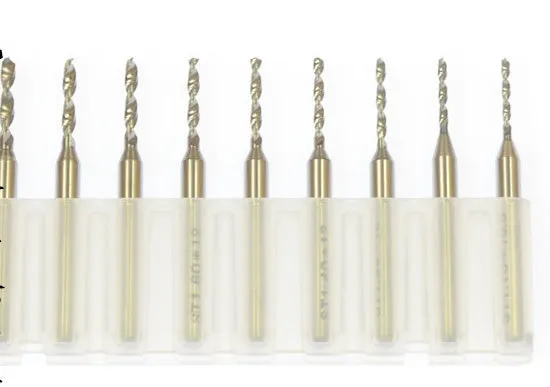
The core value of these engraving bits lies in their material composition and the practical breadth of their size offering. This combination addresses the need for durable, precise tooling in industries where miniaturisation and accuracy are critical.
Material and Build
Each bit is crafted from imported cemented carbide, an alloy primarily composed of tungsten carbide known in the trade as tungsten steel. This material is selected for its definitive properties: high hardness, which allows it to cut and engrave other materials effectively; high wear resistance, which extends the tool's usable life before needing replacement; and high strength with resistance to bending and fracture, which is essential when applying force during precision machining operations. This construction provides a practical foundation for repeated use in demanding technical environments.
Size and Practical Fit
The product offers a complete specification set, a key advantage for users who need to match a tool exactly to their project's requirements. The diameters are meticulously graded, starting at 0.10mm and progressing in small increments up to 2.00mm. This granularity ensures you can select a bit that corresponds precisely to the line width, hole size, or engraving depth needed for your work on circuit boards, delicate electronics, or precision hardware components. The availability of certain popular sizes in convenient ten-piece sets (0.10mm, 0.30mm, 1.1mm) supports workflows where multiple bits of the same size are consumed or required for batch processing.
Uses and Placement
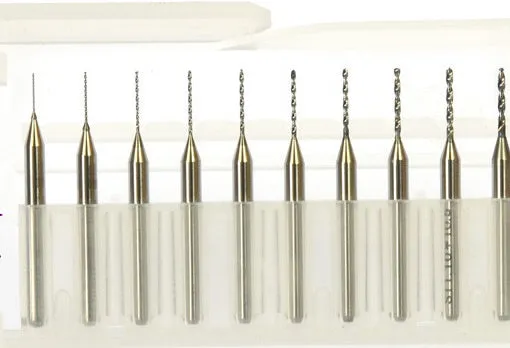
These bits are designed for specific industrial and technical applications where standard tools lack the necessary finesse or durability. Their use is defined by both the material they are made from and the scale at which they operate.
Event or Professional Use
In professional settings such as electronics manufacturing, prototyping labs, and precision engineering workshops, these bits are essential consumables. They are directly applicable to surface-mount technology (SMT) work, die sinking and engraving, and the fine machining of communication device components. The wear resistance of tungsten carbide makes them suitable for production runs where tool longevity reduces downtime and maintenance costs, while their fracture resistance provides reliability during automated or high-precision manual operations.
Everyday Home Use
While primarily industrial, these bits also have a place in advanced hobbyist or maker environments. Enthusiasts engaged in detailed scale model making, custom circuit board (PCB) creation, or intricate jewellery tooling may find the smaller diameter bits (particularly those below 1.00mm) invaluable for adding fine details, drilling minute holes, or engraving hard materials that would quickly dull lesser tools.
Benefits and Buying Value
The decision to choose this specific micro-engraving bit centres on tangible material benefits and the utility of having a comprehensive size range at your disposal.
Reuse and Low Maintenance
The high wear resistance inherent to the tungsten carbide material directly translates to a longer operational life per bit compared to standard high-speed steel (HSS) tools. This means fewer tool changes during a job and less frequent need for replacement purchases, offering practical value over time. Their resistance to bending and fracture also reduces the likelihood of sudden tool failure, which can damage workpieces and cause project delays.
Why Choose This Product
This product stands out due to its clear focus on micro-scale applications backed by a robust material specification. The availability of over 30 distinct diameter sizes within the 'miniature' range provides a level of choice that allows for exact tool matching. For professionals, this specificity supports quality control and repeatability. The inclusion of imported cemented carbide as the sole stated material offers a known benchmark for performance expectations, eliminating guesswork about the tool's core capability. When your work involves the precise machining of electronics, circuit boards, or small hardware, having a tool engineered with these properties and size options addresses the fundamental need for accuracy and durability.