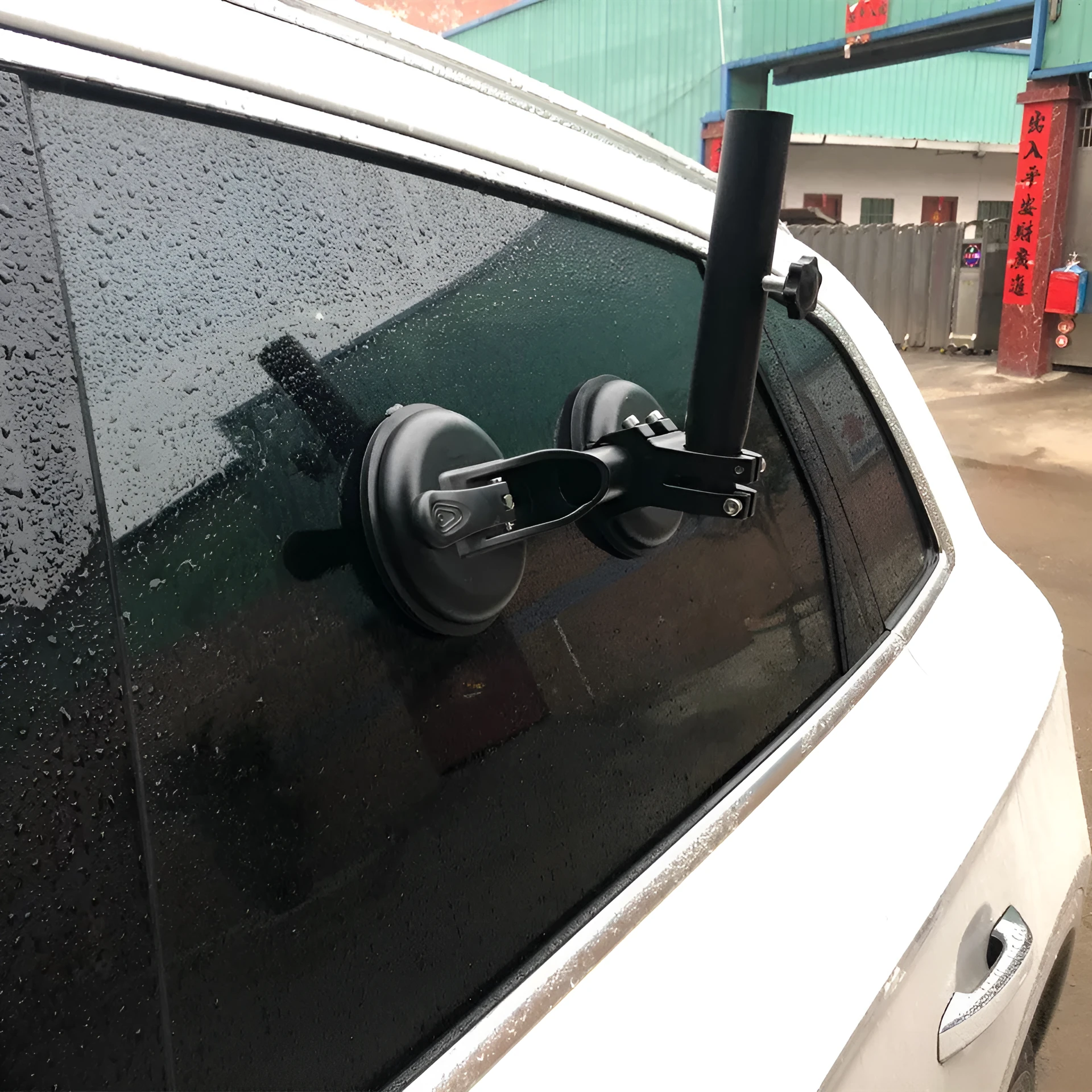
Off-road car glass sucker base flagpole sucker featuring a round rubber disc, manufactured from durable ABS plastic with a 1.1kg gram weight in the colour black for robust windscreen mounting.


Off-road car glass sucker base flagpole sucker featuring a round rubber disc, manufactured from durable ABS plastic with a 1.1kg gram weight in the colour black for robust windscreen mounting.
Off-road Car Glass Sucker Base: A 1.1kg Heavy-Duty Mounting Solution

This off-road car sucker base offers a dedicated mounting point for flags, lights, cameras, or other accessories on your vehicle's windscreen. Designed for users who require a reliable and removable fixture, its construction prioritises practical grip and stability. The 1.1kg gram weight adds ballast to help keep your mounted items steady, which is particularly useful for 4x4 vehicles, event support vehicles, or commercial vans where branding or identification is needed. It provides a simple alternative to more permanent mounting solutions.
Features and Construction

The sucker base is built from specified materials chosen for their functional properties, focusing on adhesion and structural support for your accessories.
Material and Build
The main body of the sucker base is manufactured from ABS plastic. This thermoplastic polymer is known for its good impact resistance and rigidity, making it suitable for a component that needs to withstand vibrations and knocks associated with off-road or varied road conditions. The suction element itself is a separate round disc made from rubber, a material selected for its flexibility and ability to form an airtight seal on smooth, non-porous surfaces like vehicle glass.
Size and Practical Fit
The key physical specification provided is the product's gram weight of 1.1kg. This weight contributes to the overall stability of the unit once a pole or accessory is mounted, helping to counteract movement caused by wind or vehicle motion. The round shape of the rubber sucker is designed to maximise surface contact with the windscreen, which is central to achieving a strong vacuum seal. The product is supplied in the colour black.
Uses and Placement
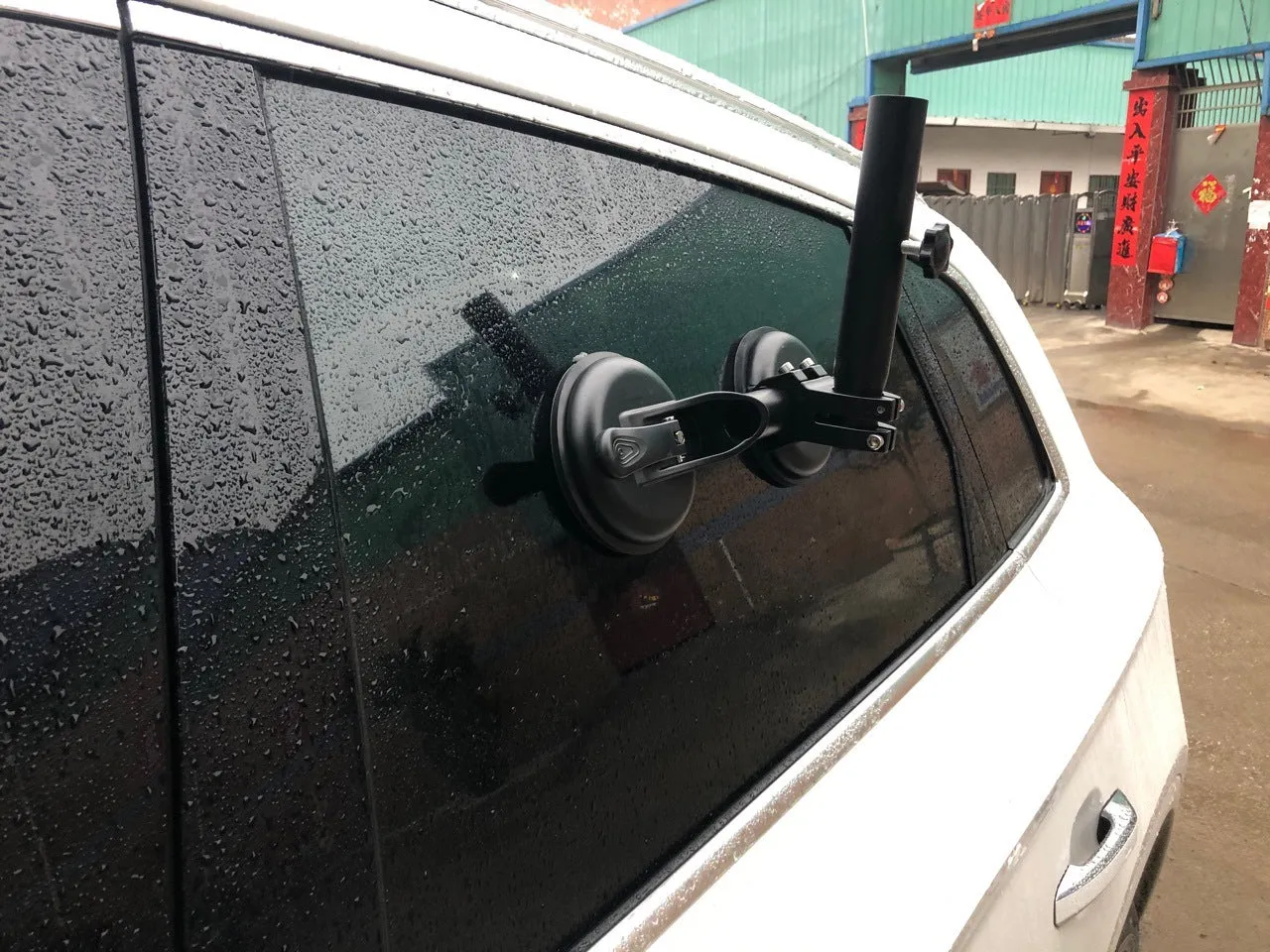
This product serves a clear function for vehicle-based mounting, suitable for both occasional and regular use in different settings.
Event or Professional Use
For event organisers, motorsport teams, or off-road groups, this sucker base allows for the quick mounting of identification flags, safety pennants, or sponsorship banners on lead or support vehicles. Its removable nature means it can be fitted for the duration of an event and then stored easily. Trade professionals can use it to mount small signage or branding on company vans when on site, providing a flexible advertising solution without permanent modification to the vehicle.
Everyday Home Use
For private vehicle owners, particularly those with 4x4s, campervans, or estates used for hobbies, the sucker base can be a practical tool. It can securely hold a flag for a camping trip, a light bar for extra illumination during winter drives, or an antenna base. Its design is focused on the functional need for a sturdy, temporary mount that leaves no marks when removed correctly, making it suitable for shared family vehicles or leased cars.
Benefits and Buying Value
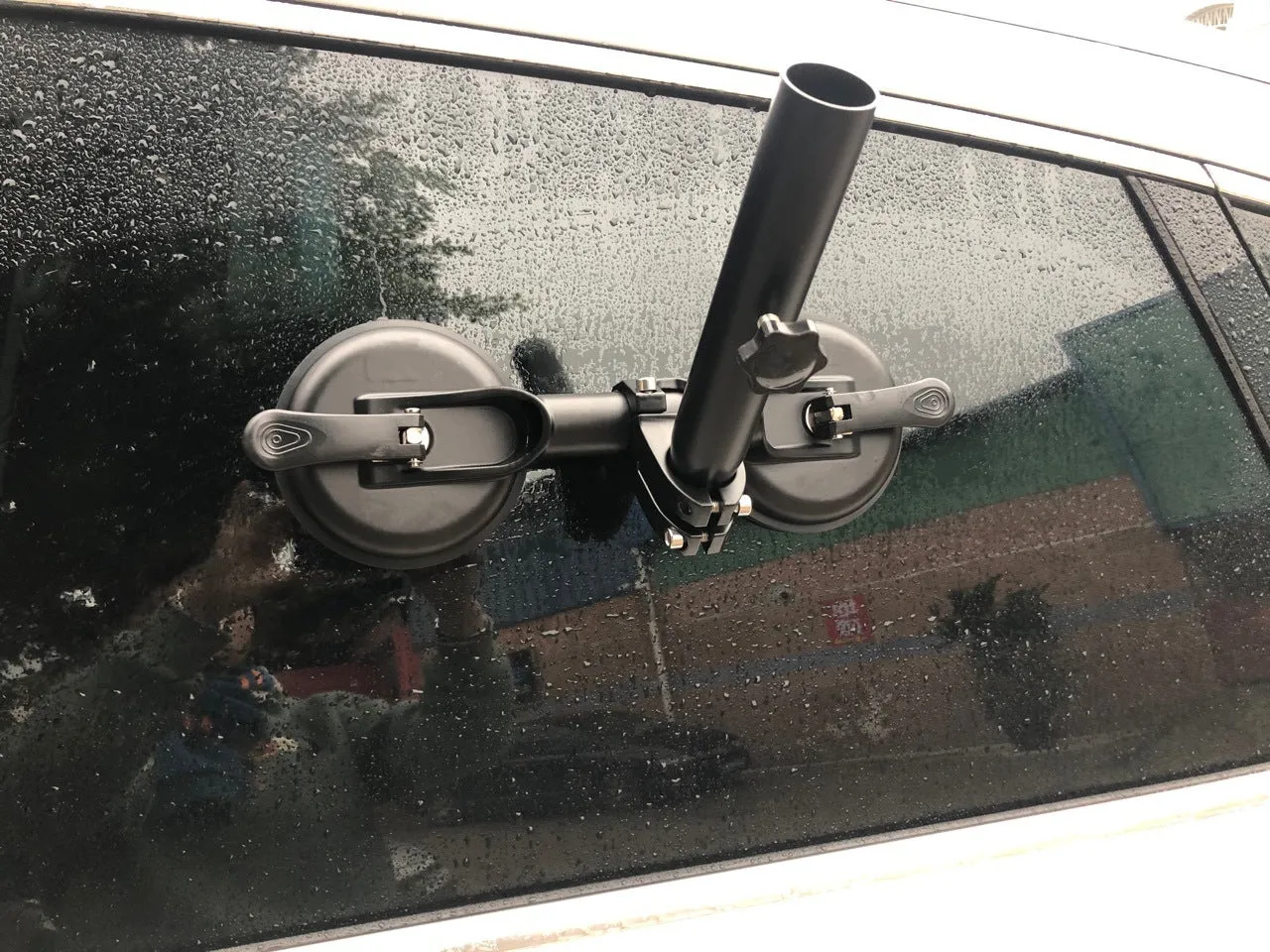
The value of this product lies in its specific construction and the practical scenarios it addresses, offering a reusable solution for a common vehicular need.
Reuse and Low Maintenance
A core advantage is the product's reusability across different vehicles and events. There are no consumable parts; with proper care of the rubber sucker, it can be used repeatedly. Maintenance is minimal, typically involving just cleaning the rubber disc and the windscreen before each use to ensure optimal performance. The durable ABS plastic body is resistant to weathering from sun and rain, supporting longer-term use.
Why Choose This Product
This sucker base is chosen for its stated heavy-duty gram weight and material specification. The 1.1kg weight distinguishes it from lighter, less stable alternatives, while the combination of ABS plastic and a rubber sucker is selected for resilience and adhesion. It is a product focused on a single, well-defined job: providing a sturdy, removable mounting point on a glass surface. It avoids complexity in favour of a straightforward, material-driven design.