
Zigbee USB Dongle, Silicon Labs EFR32MG21-based Zigbee 30 dongle for Home Assistant, pre-flashed with EZSP v8 for ZHA integration, offering +20dBm output gain with PCB antenna in a plastic shell.


Zigbee USB Dongle, Silicon Labs EFR32MG21-based Zigbee 30 dongle for Home Assistant, pre-flashed with EZSP v8 for ZHA integration, offering +20dBm output gain with PCB antenna in a plastic shell.
Silicon Labs EFR32MG21 Zigbee USB Dongle for Home Assistant with +20dBm Gain
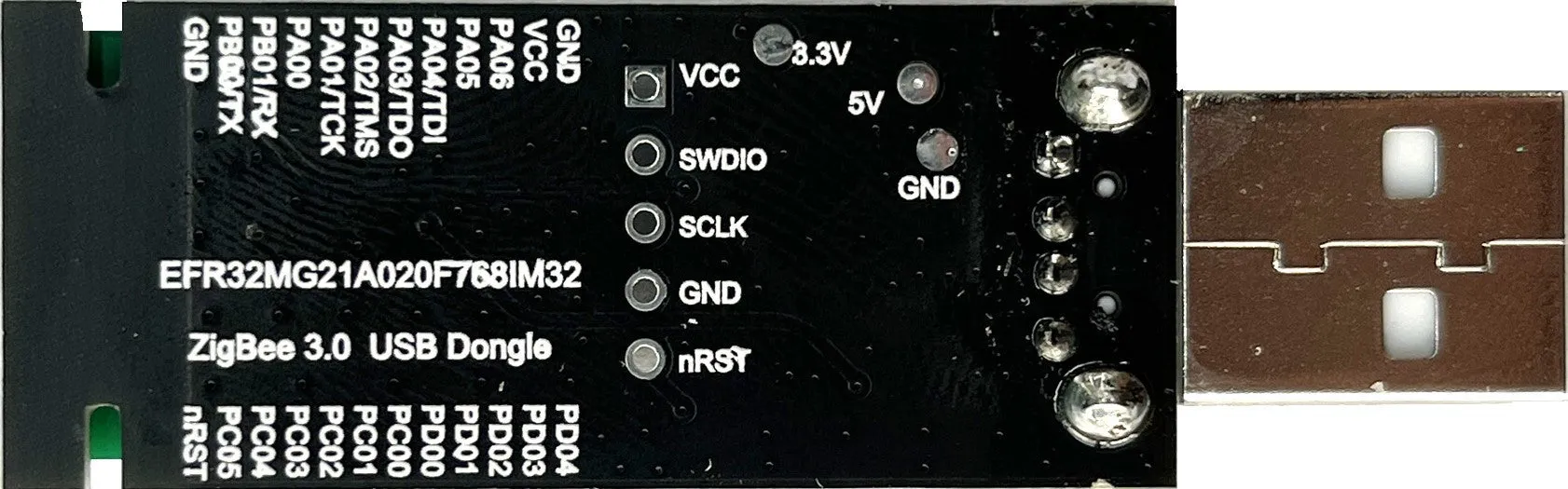
This dedicated Zigbee USB dongle provides a reliable, high-power radio link for creating and expanding a local smart home network directly compatible with popular open-source platforms. Centred on the Silicon Labs EFR32MG21 wireless microcontroller, it comes pre-configured with the EZSP v8 protocol stack, allowing for near-instant integration with Home Assistant's ZHA component or the Zigbee2MQTT software. With a stated +20dBm output power and an integrated PCB antenna, it is designed to offer a strong signal for communicating with Zigbee end devices like sensors, switches, and lights, forming the backbone of a customisable smart home system without relying on proprietary hubs.
Features and Construction

The dongle combines specific hardware and pre-loaded software to deliver a plug-and-play Zigbee coordinator experience for technical users. Its design prioritises functionality and compatibility with open-source home automation ecosystems.
Material and Build
The device is housed within a plastic shell, which provides basic physical protection for the internal circuitry. The core wireless functionality is delivered by the Silicon Labs EFR32MG21 system-on-chip, a dedicated platform for Zigbee and other low-power wireless protocols. USB connectivity is managed by a CH340E serial interface chip, a common component for facilitating communication between the dongle and the host computer or single-board computer running your home automation software.
Size and Practical Fit
As a standard USB dongle, it is designed for a compact and portable form factor that can be directly inserted into a USB port on devices such as a Raspberry Pi, Intel NUC, or other home server hardware commonly used for Home Assistant. This direct connection eliminates the need for external power supplies or network cables for the coordinator itself, simplifying the physical setup of your smart home network's central hub.
Uses and Placement
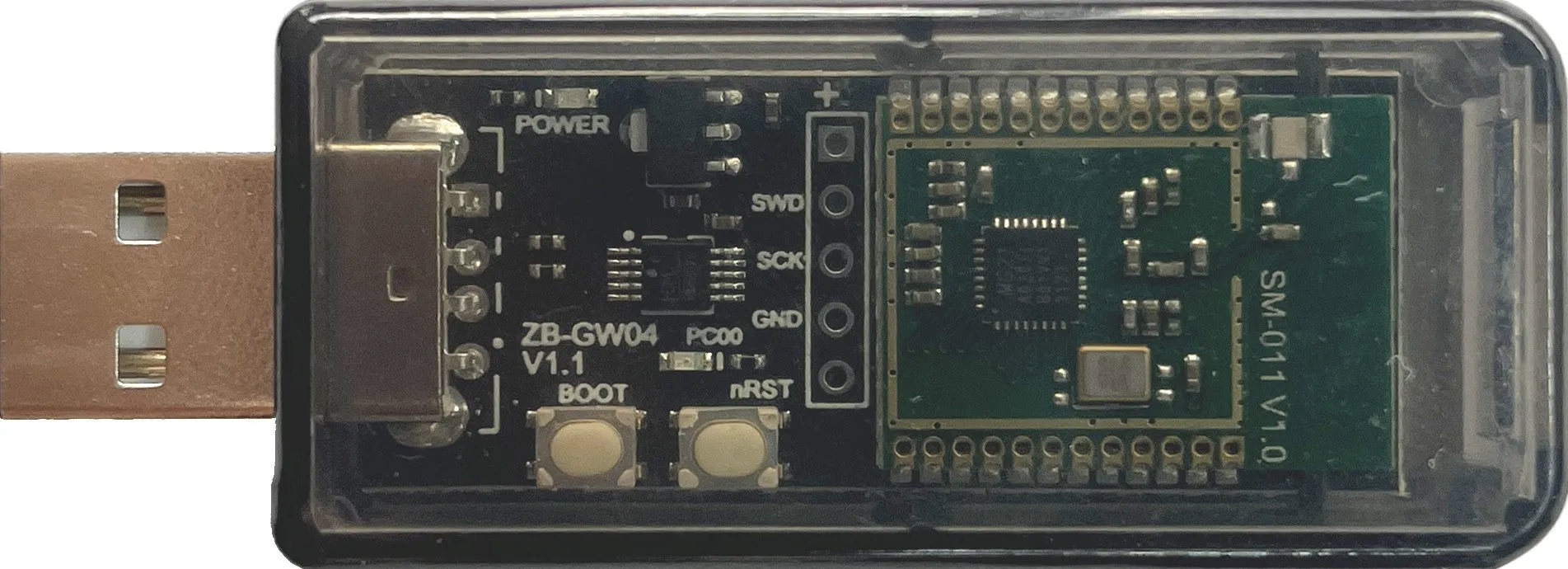
This product serves as the central radio for a Zigbee-based smart home network, acting as the gateway between your automation software and all your Zigbee devices. Its primary value is in creating a local, user-controlled network independent of cloud services.
Event or Professional Use
For advanced users, makers, or those deploying robust home automation systems, the dongle's support for OTA updates via UART and its high output power make it suitable for networks with many devices or challenging layouts. The ability to update firmware ensures the coordinator can be kept current with protocol improvements. The +20dBm gain can help maintain a stable mesh network in larger homes or properties with potential signal obstacles.
Everyday Home Use
For the typical smart home enthusiast, this dongle enables the central control of Zigbee light bulbs, door sensors, temperature monitors, and plugs directly through Home Assistant. Its pre-flashed EZSP v8 firmware means it works with Home Assistant's integrated ZHA support with minimal configuration, allowing users to focus on adding and automating devices rather than on complex radio setup procedures.
Benefits and Buying Value
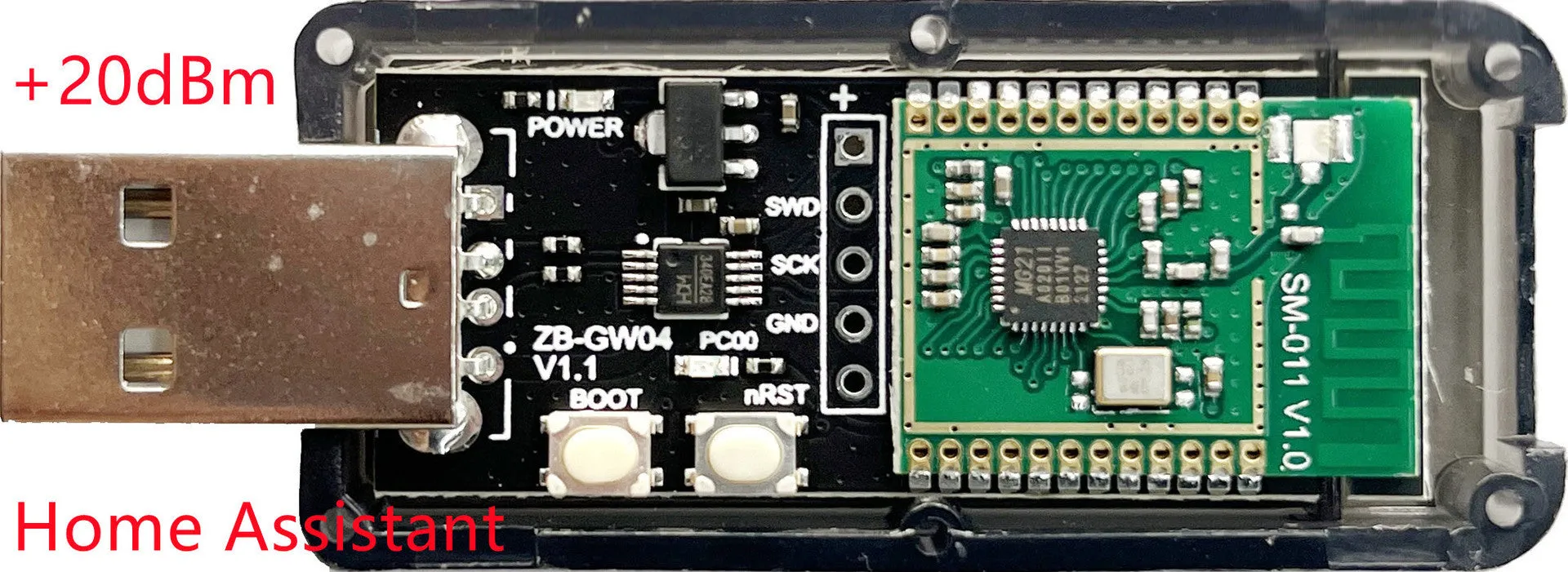
The value of this Zigbee dongle lies in its focused functionality, open compatibility, and the practical advantage of high transmit power, all contained in a single, straightforward device.
Reuse and Low Maintenance
The product is designed for long-term use as a network coordinator. The plastic housing is durable for stationary use, and the supported OTA update mechanism provides a path for maintaining software functionality without replacing the hardware. Once integrated, it requires minimal ongoing maintenance beyond potential firmware updates.
Why Choose This Product
This dongle is a specific choice for users who require a known, powerful Zigbee radio (EFR32MG21 with +20dBm gain) that is ready to use with popular open-source home automation software. It avoids the uncertainty of some generic dongles by being pre-flashed with a specific, documented protocol version (EZSP v8) and offering a clear path for integration via ZHA. The inclusion of a bootloader button for updates adds a level of future-proofing not always present in basic alternatives.